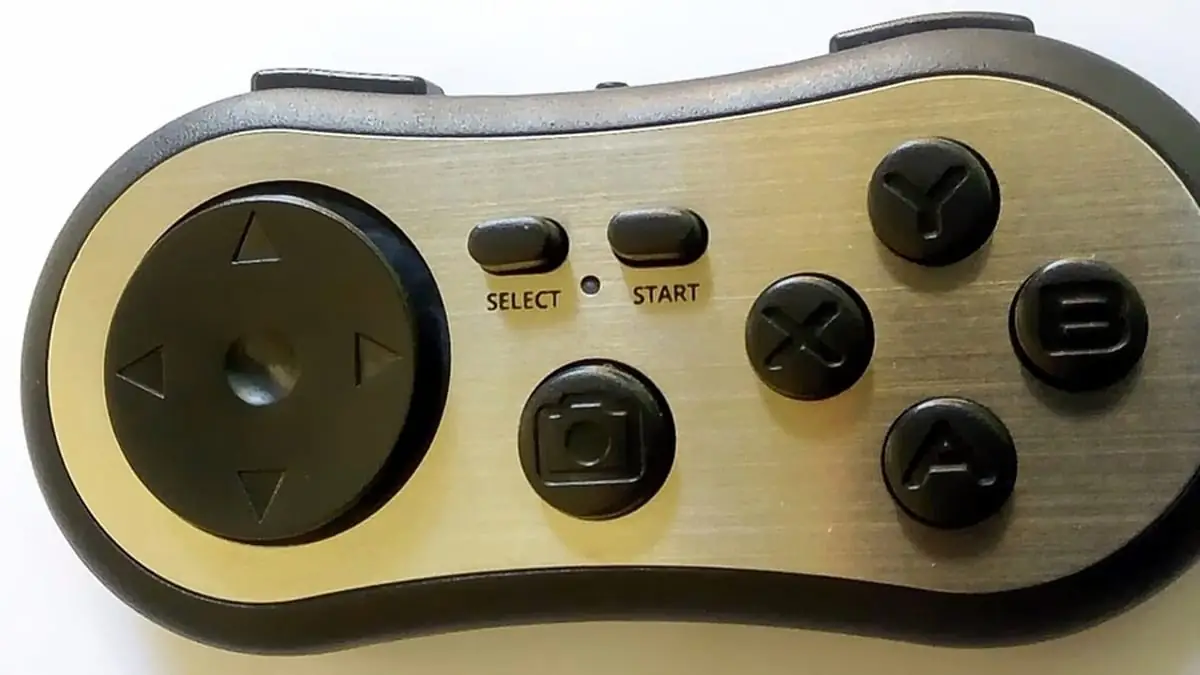
A phone controller is one of the few mobile accessories that can genuinely change how a game feels. It is also, for a lot of people, an expensive object that ends up in a drawer — because they bought it for games that never supported it.
First: do your games support it at all?
This is the step people skip and the one that decides whether the purchase was worth it. Controller support on mobile is far patchier than on console, and the pattern is not random.
- Ports and premium games almost always support controllers well. They were usually built around one.
- Competitive shooters frequently do not — often deliberately, because mixing input methods creates a fairness problem in matchmaking.
- Touch-native designs — card games, puzzlers, most idle games — gain nothing. A controller is strictly worse than a finger on a tap target.
- Cloud streaming is the strongest case of all. If that is your main use, you are really buying a controller for console games.
Make an actual list of the five games you play most and check each one's store listing or settings. If fewer than two support it, the honest answer is that you want a controller for games you do not currently play, which is a different purchase and worth being deliberate about.
Telescopic or separate
- Telescopic (phone clamps in the middle)
- Feels like a handheld console and is far better on public transport or in bed. The trade-offs are bulk in a bag, and that you generally cannot use it while charging unless it has passthrough.
- Separate controller plus a clip
- More flexible, usually more comfortable for long sessions, and doubles as a controller for other devices. It is a two-piece thing to carry, and the clip is the part that breaks.
- Separate controller, phone on a stand
- The most comfortable option at a desk or table and the least portable. Worth considering if most of your play is at home.
The four specifications worth checking
The connector
For a telescopic controller, the plug has to match your phone's port. This has become simpler as the market converged, but check the listing against your actual device rather than assuming.
Case clearance
The most common complaint about telescopic controllers by some distance. Many require you to remove your case every time. If the listing does not state a maximum thickness, treat that as an answer.
Passthrough charging
If it occupies your charging port, can you still charge? For anything longer than a short session this matters, and it is frequently absent on cheaper models.
Stick quality
The part that fails first. Hall effect sticks are marketed as resistant to drift and are worth understanding as a category, though we make no claim about any specific product's durability.
Things that matter less than the marketing suggests
- RGB lighting. Costs battery, adds nothing.
- Very low latency claims. Real for competitive play, largely irrelevant for a single-player port, and rarely measured in a way you can compare across brands.
- Extra rear buttons. Genuinely useful in a handful of games; unmapped and forgotten in most.
- Bundled app stores. Some controllers ship a launcher of "compatible games". Check your own list instead.
The cheapest way to find out
If you already own a console controller, most phones will pair with it over Bluetooth. Spend an evening playing your actual games that way before buying anything. You will learn which of them support it, whether you enjoy it, and whether the ergonomic problem you are trying to solve is real — for the cost of nothing.
That test talks a meaningful number of people out of the purchase, which is exactly what a good test should sometimes do.
How we worked this out
A decision framework, not a review. PhonePlayers has tested no controllers and recommends no product — see the review policy. Everything below is about how to evaluate a purchase, and the specifications named are ones you can check on any listing.